Report
Omnichannel Retail and its Impact on Korea real estate
January 2, 2023
Key growth drivers

Social distancing and the public’s preference to stay at home during the pandemic have led to an increase in demand for non-face-to-face services, driving change in consumer consumption patterns and sales channels.
The growth of omnichannel retailing has seen several companies such as offline-based retail and manufacturing firms enter the online realm, accelerating the growth of the e-commerce market.
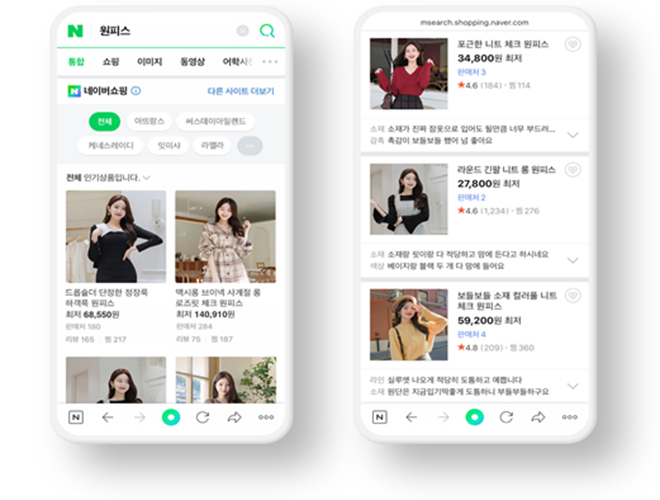
The entry of IT-based portal sites to the retail sector has boosted Korea’s e-commerce market. Benefitting from their ability to identify trends through analysis of search terms, these platforms provide management, marketing, and delivery strategy solutions to sellers to promote mutual growth.
Leader domestic portal site Naver first launched its Naver Shopping service in 2001, followed in later years by its Smart Store and Shopping Live platforms. Sites such as these are re-organising Korea’s retail market around online platform companies.

Many e-commerce companies have introduced a regular subscription model to attract and retain customers and create a stable profit-generating model. Examples include Coupang’s Wow Membership and Naver’s Naver Plus Membership.
The usage of subscription services for regular delivery increased by 34% y-o-y in 2021.* SK Telecom predicts that the domestic subscription economy market will double from 2020’s figure to reach KRW 100 trillion by 2025, underpinning strong e-commerce demand in future.
*Hankook Research, Public Opinion within Public Opinion
Looking for a PDF of this content?
Despite concerns about a short-term slowdown in the wider retail market due to weakening growth momentum and global economic uncertainty, the share of Korea’s e-commerce market is expected to continue to expand, driven by large and specialised online platforms.
Retailer's store strategies are diversifying with improvement of store efficiency and expansion of functions. CBRE expects more online retailers to seek offline opportunities to provide consumers with experiences and increase customer contact points, while continuing building trust and loyalty in their brands.
Amid slowed growth momentum of online retail sales, logistics demand from e-commerce companies remained strong. Speed of expansion will vary by region and is dependent upon the efficiency of new logistics facilities and companies' future business strategies, yet, CBRE expects steady demand for new logistics space in the coming years.
The growth of e-commerce and the expansion of related companies have driven new demand for offices in major business districts in Seoul, leading to the increased proportion of leasing volume by e-commerce-based IT and retail companies in the Seoul Grade A offices, particularly in the GBD.